Skip to content
Table of Contents
Sun damage rarely announces itself all at once. It shows up as one spot near the temple, then freckling across the nose, then a tone that reads duller in photos. At Clair De Lune Aesthetics in Boston, BBL Therapy is one of the most requested treatments for that concern, because it works on pigment directly instead of asking a serum to do a job it cannot do.
Here is why it happens, how light energy addresses it, and what a BBL photofacial can and cannot improve.
Can BBL fade sun spots and even out skin tone?
BBL therapy uses filtered wavelengths of broadband light that pigment absorbs selectively, which heats and fragments the clustered melanin left behind by years of sun exposure so the body can clear it. Treated spots often darken briefly before flaking away, and most patients notice improvement after one session, with fuller change typically appearing across three to five sessions spaced four to six weeks apart. Results vary, and daily sun protection determines how long they hold.
What Sun Damage Actually Looks Like on the Skin
Sun damage usually appears as flat brown spots, freckling across the cheeks and nose, blotchy patches, a dull surface, and diffuse redness that never fully settles.
What sends people looking for skin rejuvenation Boston options is rarely one spot. It is the overall unevenness, or makeup sitting differently than it used to.
Most of this builds up from ordinary exposure rather than vacations. Anyone with a long commute on the Pike or Route 128 has spent years with one side of their face near the window. Much of what surfaces in your thirties and forties was absorbed decades earlier.
Why UV Exposure Creates Uneven Pigment
Pigment is a defense response. UV light triggers melanocytes to produce melanin, which absorbs it and shields the cells underneath. Years of exposure leave that melanin clustered in dense patches instead of spread evenly, and those clusters are what you see as spots.
Sun-induced hyperpigmentation is not the same condition as melasma. Melasma is influenced by hormones, sits deeper in the skin, and is managed over time with a broader plan rather than resolved in a set number of sessions.
New England has its own pattern. Summer exposure at the Cape and along the harbor is intense and reflective, and winter glare off snow and water keeps it going through months when nobody thinks about it.
UV exposure also degrades collagen and elastin, which is why sun-damaged skin often reads as rougher and less firm, not only uneven in color.
Why Topical Products Alone Rarely Even Out Sun Damage
Most brightening products work at the surface, while sun-induced pigment sits deeper in the epidermis and sometimes below. That is why a good routine can brighten overall without moving the spots much.
Vitamin C, niacinamide, and prescription retinoids do real work on tone and turnover, and belong in a maintenance routine. They act slowly on established pigment, though, and without daily SPF, new pigment forms faster than products can fade the old.
That is the gap a light-based treatment closes.
How Broadband Light Targets Sun Damage
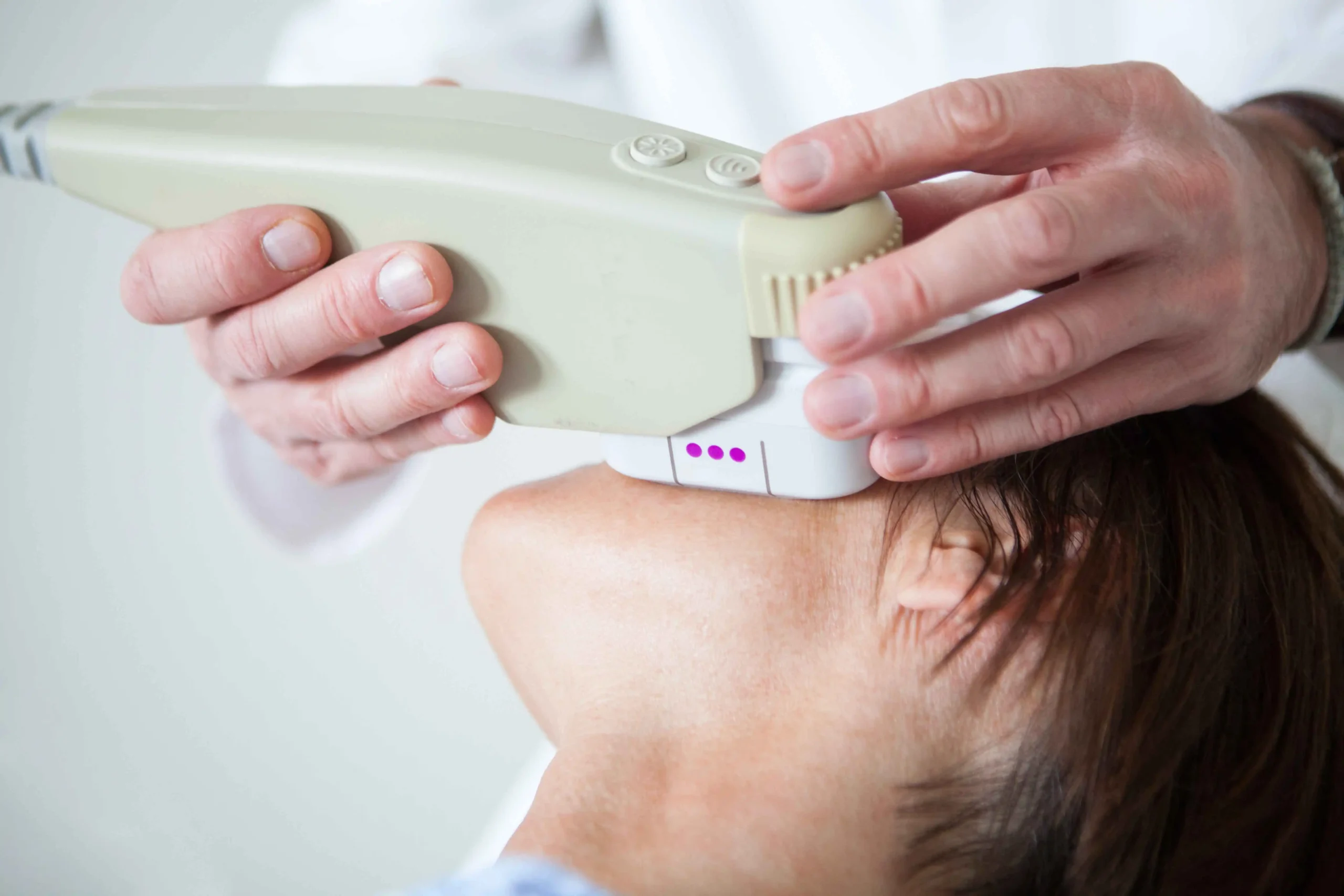
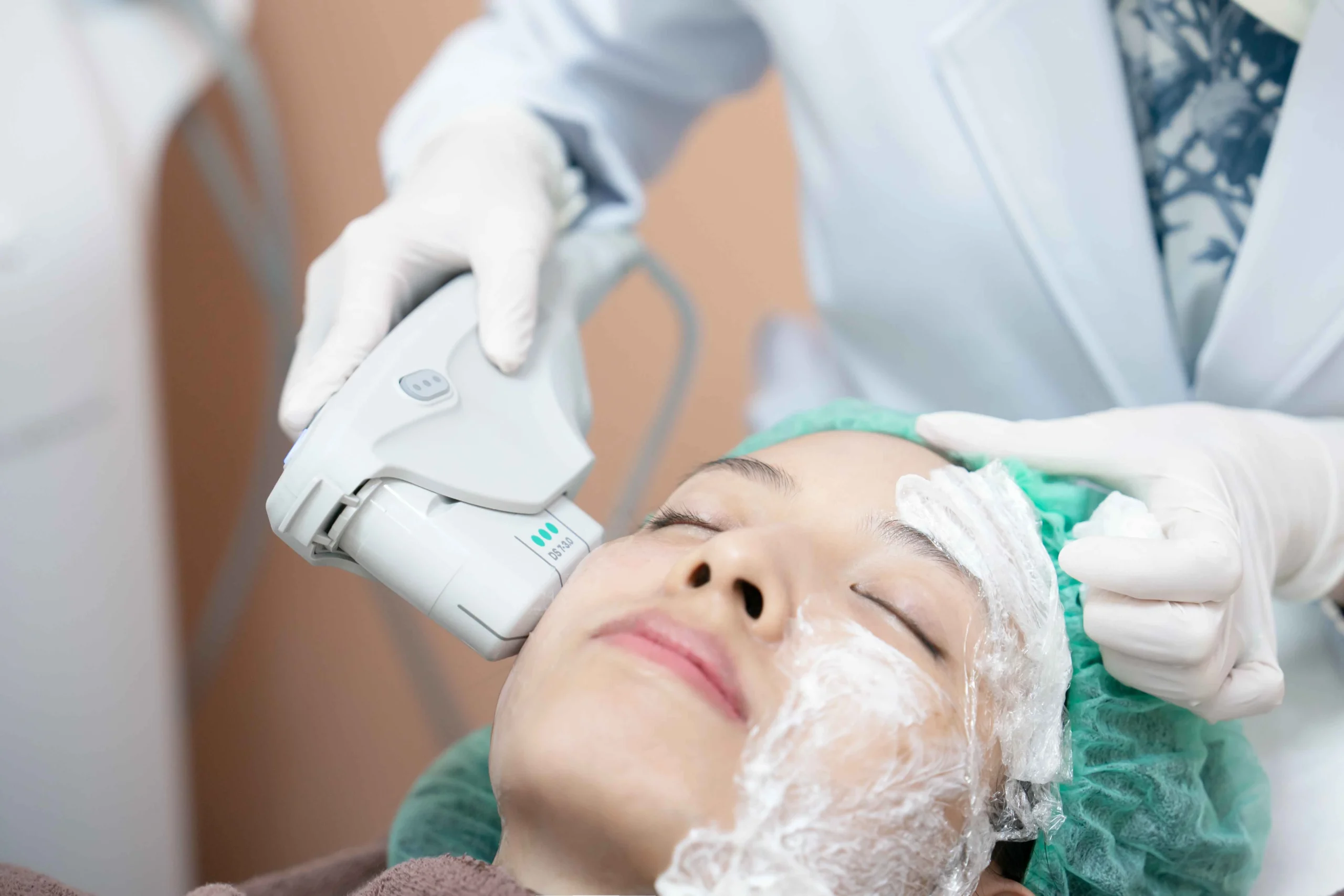
BBL® is an FDA-cleared broadband light device. It delivers filtered wavelengths of light that pigment and the small blood vessels behind visible redness absorb selectively.
That energy heats and fragments the clustered melanin so the body can clear it. This is why spots often look darker for a few days after a session before flaking away. The same pulses stimulate collagen remodeling underneath, so BBL skin rejuvenation typically improves texture alongside tone.
Filter and setting selection is where provider judgment comes in. Different wavelengths reach different targets, so treatment is adjusted per patient at Clair De Lune Aesthetics rather than a fixed default.
What BBL Improves, and What It Does Not
BBL works best on flat brown spots, sunspots, freckling, diffuse redness, small broken capillaries, and general dullness. Those are the BBL benefits that bring most people in.
Fine lines and firmness improve more gradually through collagen stimulation, and more subtly than tone.
The limits are worth naming. Deep textural damage, raised lesions, and etched lines usually call for resurfacing rather than light, which is where a hybrid fractional option like Halo® comes in. And melasma is managed alongside a broader plan, not cleared by a light series.
Who Is a Good Candidate for BBL Therapy
The strongest candidates have visible sun damage or redness, realistic expectations, and a commitment to daily sun protection afterward.
Candidacy is assessed using the Fitzpatrick skin type scale, a clinical classification from I to VI describing how skin responds to UV and light. Fair to medium skin tones are typically the most direct fit. Deeper skin tones require a provider assessment to determine whether BBL or another approach is appropriate.
A few factors affect timing or candidacy:
- Recent tanning or sun exposure, which usually means postponing
- Pregnancy, active skin infection, or an inflammatory flare in the area
- Photosensitizing medications, including some antibiotics and acne prescriptions
None of this is decided from a photo. A provider evaluates your skin in person.
What to Expect From a Series and How to Hold Results
Most patients notice improvement after one session, with fuller change typically appearing across three to five sessions spaced four to six weeks apart. Results vary with the amount of accumulated pigment.
The recovery is mild. Skin feels warm and slightly flushed, similar to a light sunburn, and settles within a few hours. Over the following week, treated spots darken and flake off. There is no downtime, so it fits around a workday.
Preparation and aftercare are brief. Avoid sun and tanning for two weeks beforehand, pause retinol and exfoliants for three to five days, and arrive with clean skin. Afterward, daily SPF 30 or higher determines how long results hold.
For a BBL photofacial, Boston, MA patients can actually finish, timing helps. Fall through early spring, when outdoor exposure drops, is the easiest window to complete a series.
Your Skin Has Been Keeping Records. It Can Also Change.
Years of sun exposure show up eventually, and no routine undoes that overnight. A series of BBL Therapy sessions can reduce the pigment already there and give your skin a more even starting point. Ready to refresh sun-damaged skin? Schedule a BBL Therapy consultation at Clair De Lune Aesthetics in Boston to create a personalized treatment plan.