Skip to content
Table of Contents
If you have noticed your skin looking a little looser than it used to and you are weighing your options, you are not alone, and you are asking the right question. Ultherapy Skin Tightening and RF microneedling are two of the most popular non-surgical ways to firm and lift skin, but they are not the same treatment, and one may suit you better than the other.
At Clair De Lune Aesthetics in Boston, the honest answer is that neither is universally best. The right choice depends on your skin, your concern, and how you want to spend your recovery time. Here is how the two compare so you can walk into your consultation knowing what to ask.
Which firming treatment makes more sense for my skin, ultrasound or radiofrequency with needles?
Honestly, it comes down to your main concern. If you are dealing with sagging around the brow, jawline, or under the chin, Ultherapy® reaches the deeper layers with focused ultrasound and handles that kind of lifting well. If it is more about texture, things like enlarged pores or mild laxity, RF microneedling works closer to the surface with tiny needles and radiofrequency heat to firm and smooth. Both build your collagen gradually, so a consultation is the easiest way to sort out your match.
Ultherapy® vs RF Microneedling at a Glance
Ultherapy® and RF microneedling both tighten skin by stimulating your own collagen, but they work at different depths. Ultherapy Treatment uses focused ultrasound energy to reach the deeper foundational layers of your skin, the same layers addressed in a surgical lift, to lift and tighten from within. RF microneedling takes a different route, combining tiny needles with radiofrequency energy to firm and refine skin closer to the surface.
That depth difference is the whole story in miniature. One reaches deep for lifting. The other works nearer the surface to improve firmness and texture at the same time. Both rely on your body’s natural Collagen Stimulation Treatment response, so results build gradually rather than appearing overnight.
How Each Treatment Works
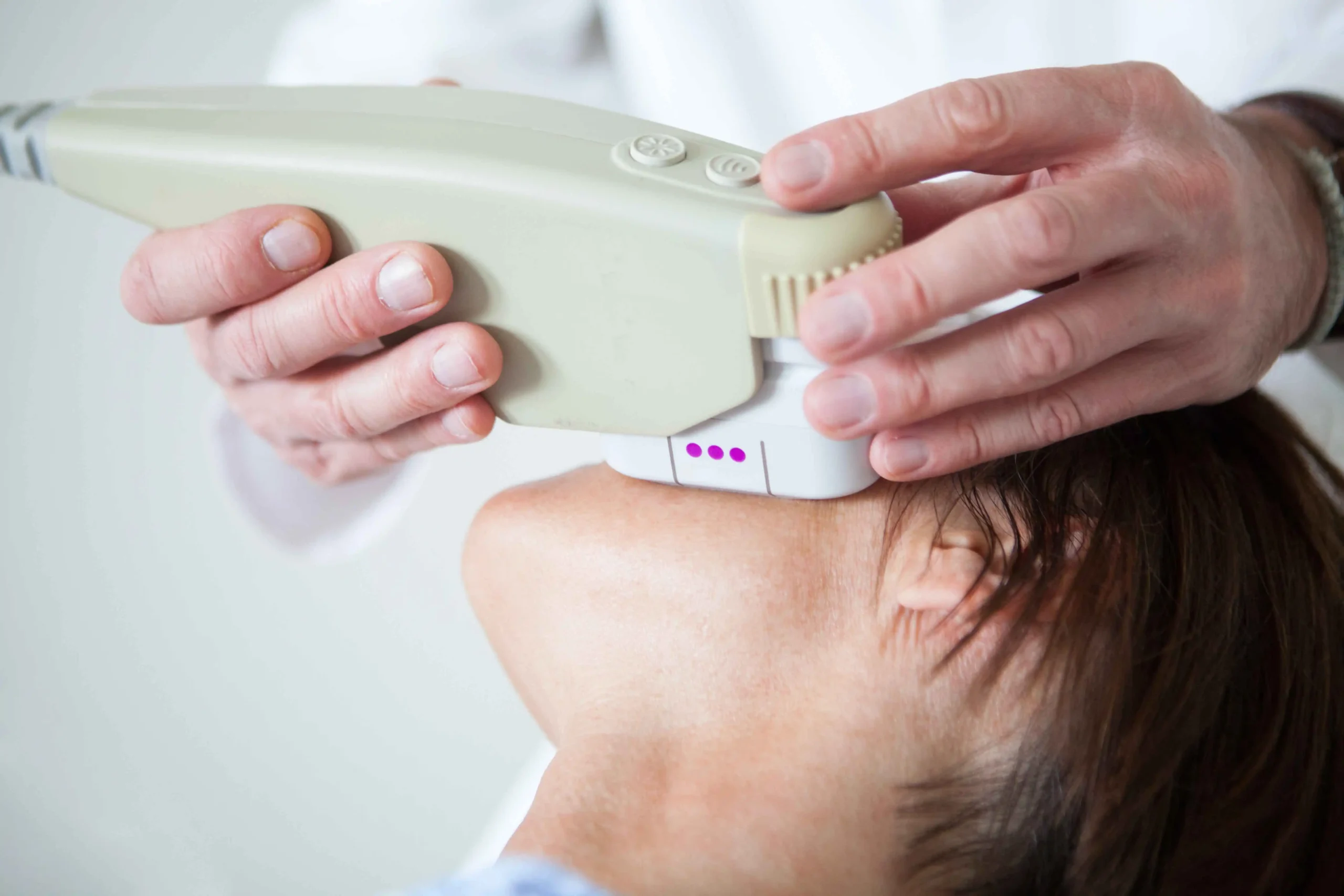
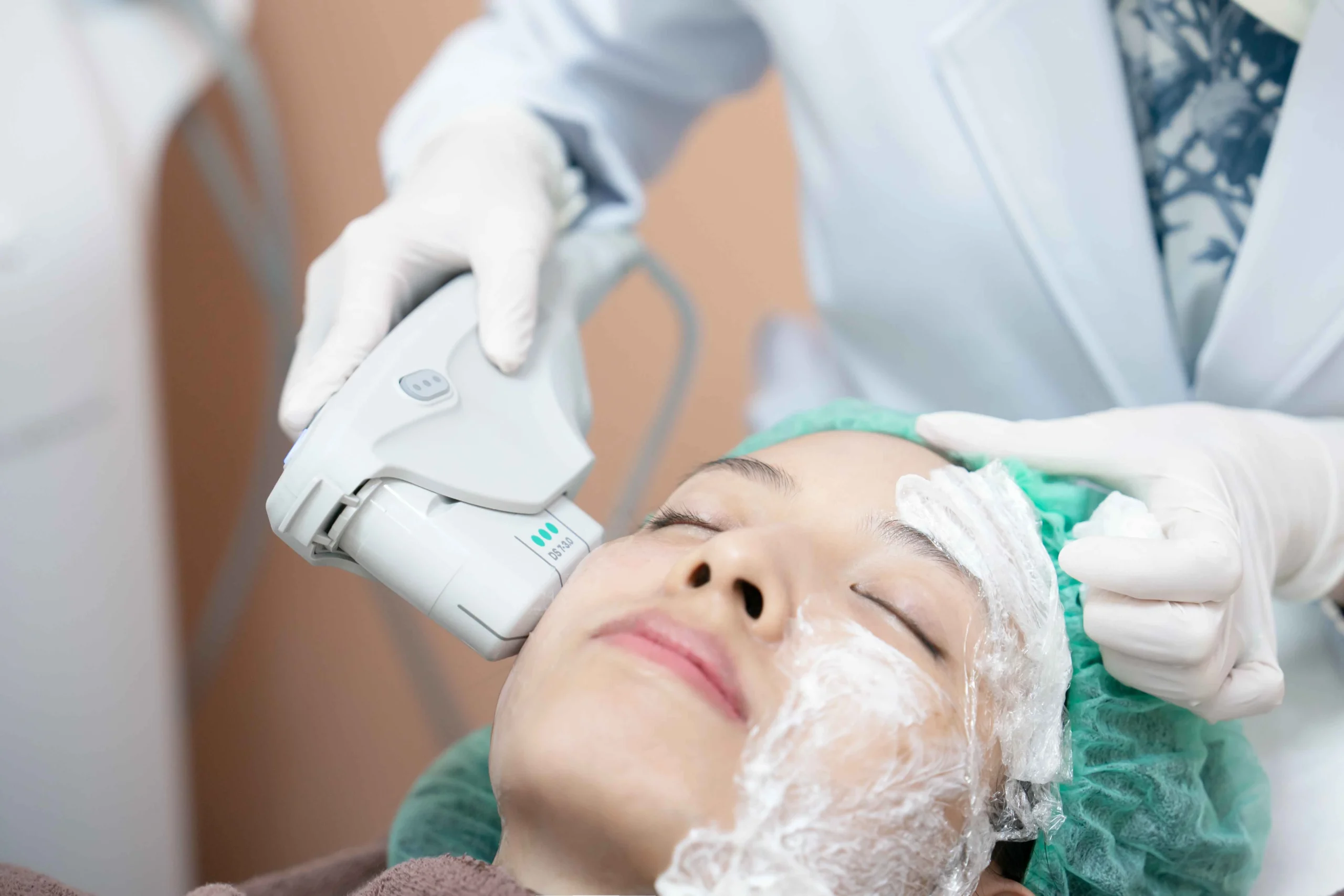
Ultherapy® delivers precise ultrasound energy into the deeper dermal layers where collagen is produced. The energy gently heats the tissue and triggers your body’s natural wound-healing response, which prompts new collagen and elastin to form over the following months. It is FDA-cleared for non-invasive lifting of the face, neck, and décolletage, and real-time ultrasound imaging lets your provider see exactly where the energy is being delivered.
RF microneedling takes a different approach. Fine needles create tiny controlled channels in the skin and deliver radiofrequency heat at the same time, which prompts collagen and elastin renewal in the upper and middle layers. Since it improves texture and firmness together, it tends to appeal to people dealing with more than laxity alone.
The depth each one reaches is the core reason a provider leans toward one over the other. Deep structural laxity and surface-level concerns are simply different problems.
Which Treatment Is Best for Your Concern
The best treatment comes down to what is actually bothering you. Matching the tool to the concern matters more than picking the trendier name.
- Ultherapy® tends to suit sagging along the brow, jawline, and under the chin, where deeper lifting genuinely helps. This makes it a strong fit for Ultherapy for Jowls, Ultherapy for Neck Tightening, and softening under the chin.
- RF microneedling tends to suit texture concerns like enlarged pores, acne scarring, and mild laxity, especially when you want firmness and smoother skin in one treatment.
- Skin type also factors in. RF microneedling is often considered across a wider range of skin tones, and your provider uses the Fitzpatrick scale to assess what is appropriate for you.
Say one person just wants a subtle lift along the lower face, while another is really after smoother tone and texture overall. Those are both good reasons to treat, they simply lead you down different paths.
Differences in Comfort, Downtime, and Results Timeline
It is worth thinking about how the appointment itself feels, since that plays into the decision too. During Ultherapy®, the ultrasound energy reaches deep tissue and you will notice some warmth or tingling, though most patients find it pretty comfortable and numbing is always an option. Once you are done, you might have a little redness that clears within a few hours, and since there is no real downtime, you can jump right back into your day.
RF microneedling usually starts with a numbing step for comfort. Afterward, redness and occasional pinpoint marks are common and typically settle within a few days, so a little planning around social events helps.
Results follow different rhythms too:
- Ultherapy® results develop gradually over two to three months as collagen rebuilds, with renewal continuing up to a year. Most patients see noticeable lift with a single session, and some choose annual maintenance.
- RF microneedling results also build over weeks to months and often involve a short series of sessions rather than one visit.
How Providers Decide Between Them
A good provider does not guess, they assess. The recommendation usually comes down to a handful of practical factors that only make sense once someone looks at your skin.
The depth of your concern comes first. Deep laxity points toward the ultrasound lift of a Non-Surgical Facelift approach, while surface texture combined with mild firmness points toward RF microneedling. From there, your skin type, how much downtime you can accept, and how many sessions you are open to all shape the decision. Your goals tie it together, since one treatment delivers lift and the other pairs firmness with texture improvement.
This is exactly why a consultation matters. These factors are personal, and turning them into a real plan takes an in-person assessment rather than a blog post alone.
Still Not Sure Which One Is Right for You? Let’s Talk It Through
Choosing between two good treatments is hard when you are doing it from a search bar, and you should not have to. The clearest way to know whether Ultrasound Skin Tightening with Ultherapy® or RF microneedling fits your skin is to have someone assess it in person. Schedule Your Ultherapy® Consultation Today and Discover a Non-Surgical Solution for Firmer, Younger-Looking Skin in Boston, MA. We will walk through both options honestly and help you land on the one that matches what you actually want to see.