Skip to content
Table of Contents
By Claire Tongkaew, MSN, APRN, FNP-BC
Beauty is rarely about one isolated feature. A beautiful face is often perceived as a combination of balance, proportion, symmetry, contour, and harmony between the different areas of the face.
This is the philosophy behind facial balancing – an individualized approach to aesthetic treatment that looks at the face as a whole rather than simply treating a single line, wrinkle, lip, or cheek.
At Clair De Lune Aesthetics & Wellness, our goal with facial balancing is not to create a different face. It is to understand the unique architecture of your face and determine where subtle changes may create greater harmony while preserving the features that make you recognizable as yourself.
What Is Facial Balancing?
Facial balancing is a comprehensive approach to facial assessment and aesthetic treatment.
Instead of asking only, “Do the lips need filler?” or “Do the cheeks need more volume?” we evaluate how each feature relates to the rest of the face.
This may include assessment of the:
- Forehead and temples
- Brows and periorbital area
- Cheekbones and midface
- Nose
- Lips and perioral area
- Chin
- Jawline
- Facial width, height, projection, and profile
- Overall symmetry and proportion
For example, a patient may initially request lip enhancement but actually have a relatively under-projected chin. Increasing lip volume alone could make the lower face appear less balanced. In that situation, thoughtfully addressing facial proportions may create a more refined result than simply adding more filler to the lips.
Facial balancing therefore asks a different question:
Not “What feature should we make bigger?” but “What relationships could be optimized to create better harmony?”
The Golden Ratio and Facial Beauty
One concept that has influenced facial aesthetics for centuries is the Golden Ratio, also known as Phi (φ).
Phi is approximately:
1 : 1.618
The ratio appears throughout mathematics, nature, art, architecture, and historical discussions of proportion.
In aesthetic medicine, certain relationships between facial dimensions can also be evaluated using Phi and related proportions.
Plastic surgeon Dr. Arthur Swift, together with dermatologist Dr. Kent Remington, introduced a systematic approach known as BeautiPHIcation™, applying mathematical relationships – including the Golden Ratio – to facial assessment and aesthetic treatment planning.
Their work proposed that Phi can provide an objective framework for evaluating relationships between facial features while designing treatments intended to improve overall facial harmony.
Importantly, the Golden Ratio should be viewed as a guide – not a formula that every face must fit.
Beautiful faces are not identical, and aesthetic medicine should never attempt to turn every patient into the same mathematical template.
BeautiPHIcation™ and the Philosophy of Facial Harmony
Dr. Arthur Swift’s BeautiPHIcation™ methodology helped introduce a more structured way of thinking about injectable facial aesthetics.
Rather than focusing entirely on individual defects, the concept encourages practitioners to evaluate the relationships between facial structures.
For example, treatment planning may consider relationships involving the width and projection of the cheek, chin position, lip proportions, facial height, temporal width, or other anatomical landmarks.
The purpose is not mathematical perfection.
The purpose is to identify areas where a relatively small structural adjustment may positively influence the perception of the entire face.
This is one of the principles I find especially important in modern aesthetic medicine:
Small, strategically placed changes can sometimes create a greater aesthetic improvement than adding large amounts of volume.
Facial Balancing Is More Than Symmetry
Perfect symmetry does not exist in the human face.
Nearly everyone has differences between the right and left sides of the face due to skeletal anatomy, muscle activity, fat distribution, dental structure, habitual facial expressions, and the natural aging process.
The objective of facial balancing is therefore not to create perfect symmetry.
Instead, we evaluate whether an asymmetry draws unnecessary attention and whether modifying it would improve the overall visual flow of the face.
Sometimes the best treatment is correction.
Sometimes it is camouflage.
And sometimes the most appropriate decision is to leave a naturally asymmetric feature completely alone.
Understanding the Face in Three Dimensions
Although photographs and mathematical measurements can be useful, the face is not a flat image.
A comprehensive facial assessment also evaluates the face in three dimensions.
From the front, we may evaluate width, vertical proportions, contour, and symmetry.
From the oblique view, we can appreciate transitions between the temples, cheeks, under-eye region, and lower face.
From the profile, we evaluate projection and relationships between structures such as the forehead, nose, lips, chin, and jawline.
Light and shadow are equally important.
Beautiful facial contour is created partly by the way light reflects from areas of projection and transitions into areas of natural shadow. For this reason, aesthetic treatment is not simply about adding volume – it is about understanding shape, structure, projection, and contour.
Why More Filler Does Not Always Mean a Better Result
One of the biggest misconceptions in facial aesthetics is that visible improvement requires large amounts of filler.
It does not.
When treatment is planned feature by feature without considering the whole face, repeated injections can gradually create excessive volume and distort natural facial proportions.
Facial balancing takes the opposite approach.
We first determine where treatment will have the greatest visual impact.
In some patients, subtle enhancement of the chin can improve the appearance of the jawline and profile.
In another patient, restoring temple or lateral cheek support may create a more harmonious transition through the upper and midface.
For someone else, lip filler may not be necessary at all.
The goal is strategic enhancement rather than indiscriminate volume.
Facial Balancing Is Individualized
Mathematics can provide a framework, but the patient always comes first.
Facial proportions vary according to genetics, age, ethnicity, skeletal structure, soft-tissue distribution, sex characteristics, gender expression, and personal aesthetic preferences.
For this reason, I do not believe that beauty should be reduced to a single number or ratio.
Instead, principles such as Phi can be combined with:
Anatomy + proportion + light and shadow + movement + individual identity + patient preference.
That combination is where the science of aesthetics meets artistry.
What Treatments Can Be Used for Facial Balancing?
Facial balancing does not refer to one specific procedure.
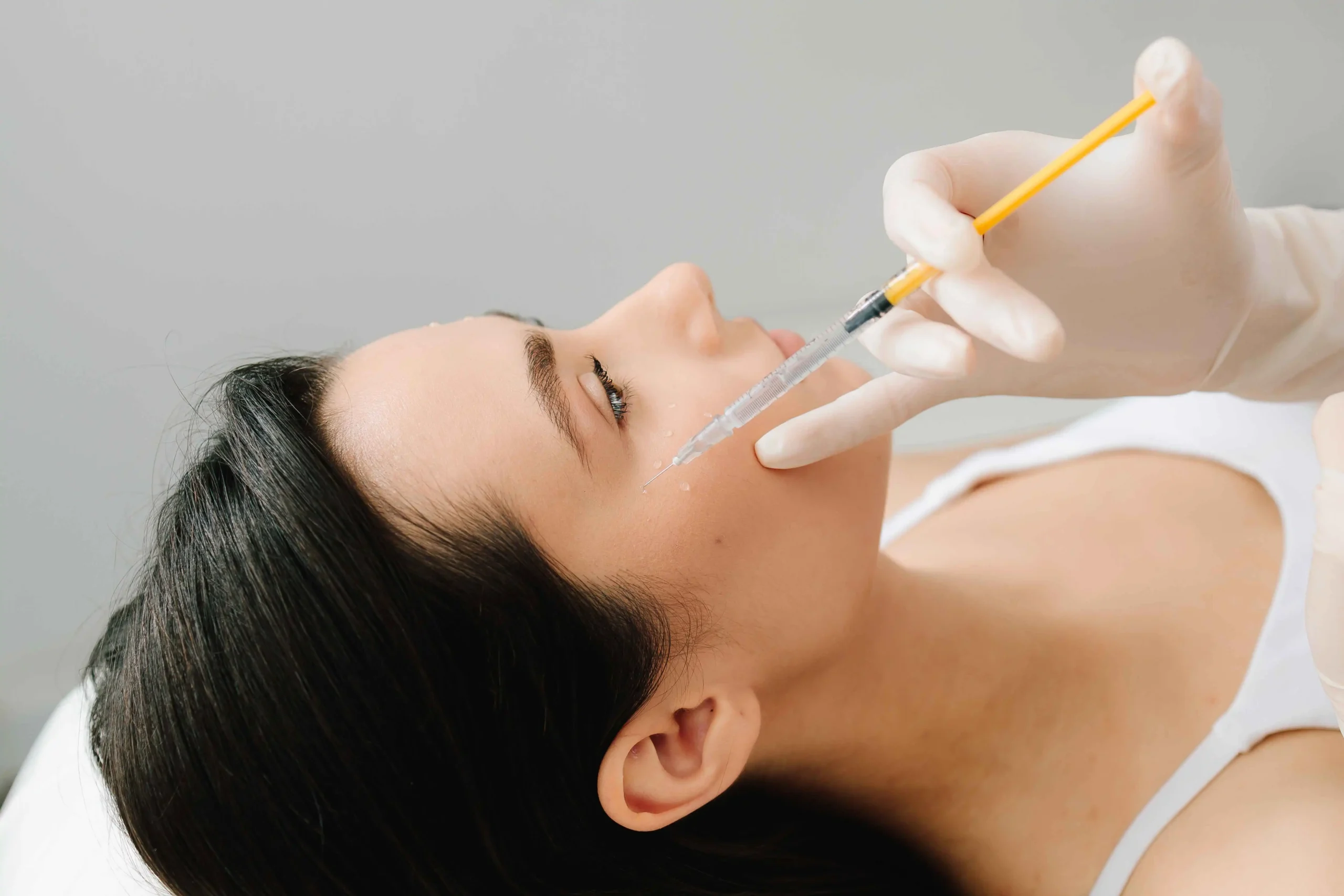
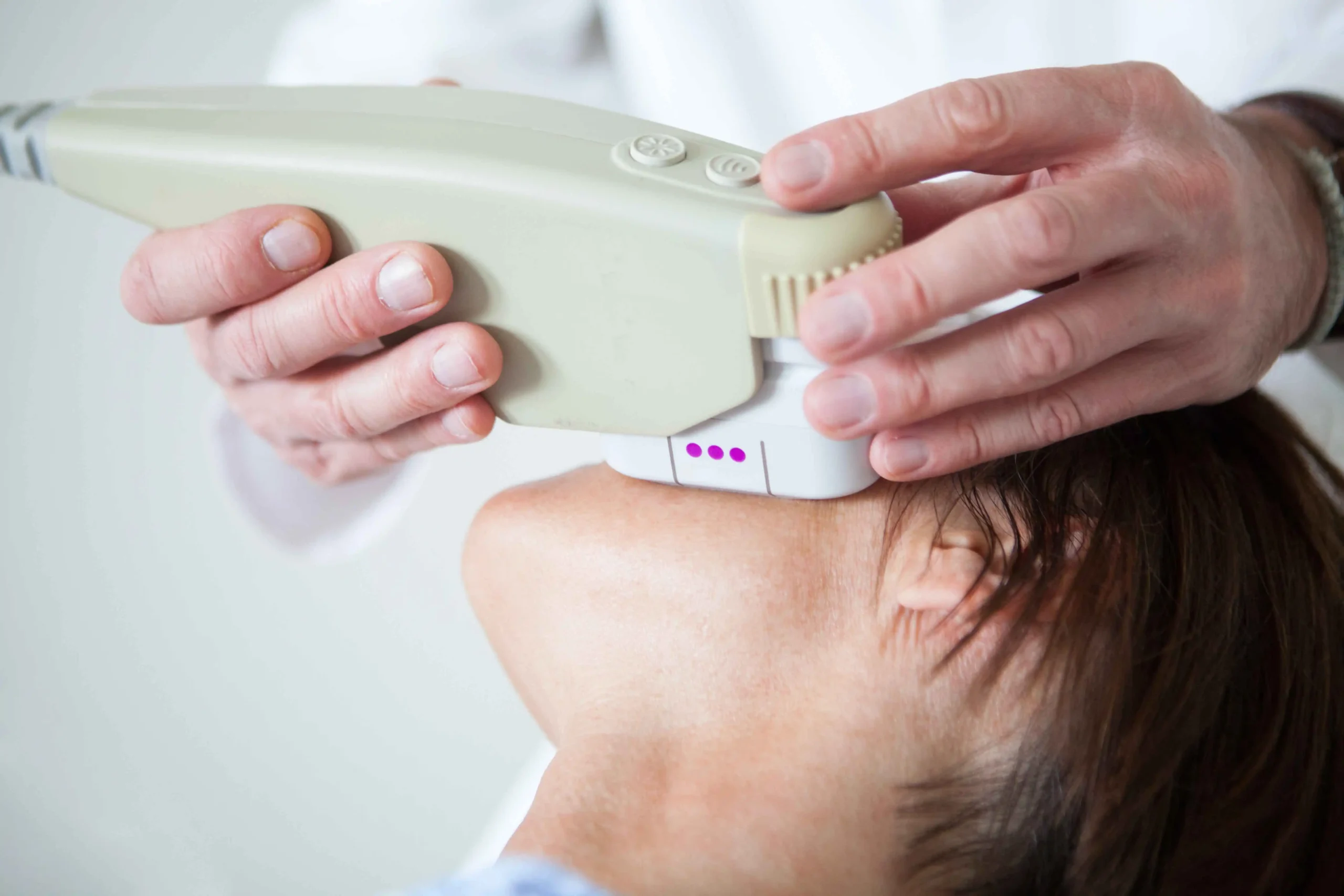
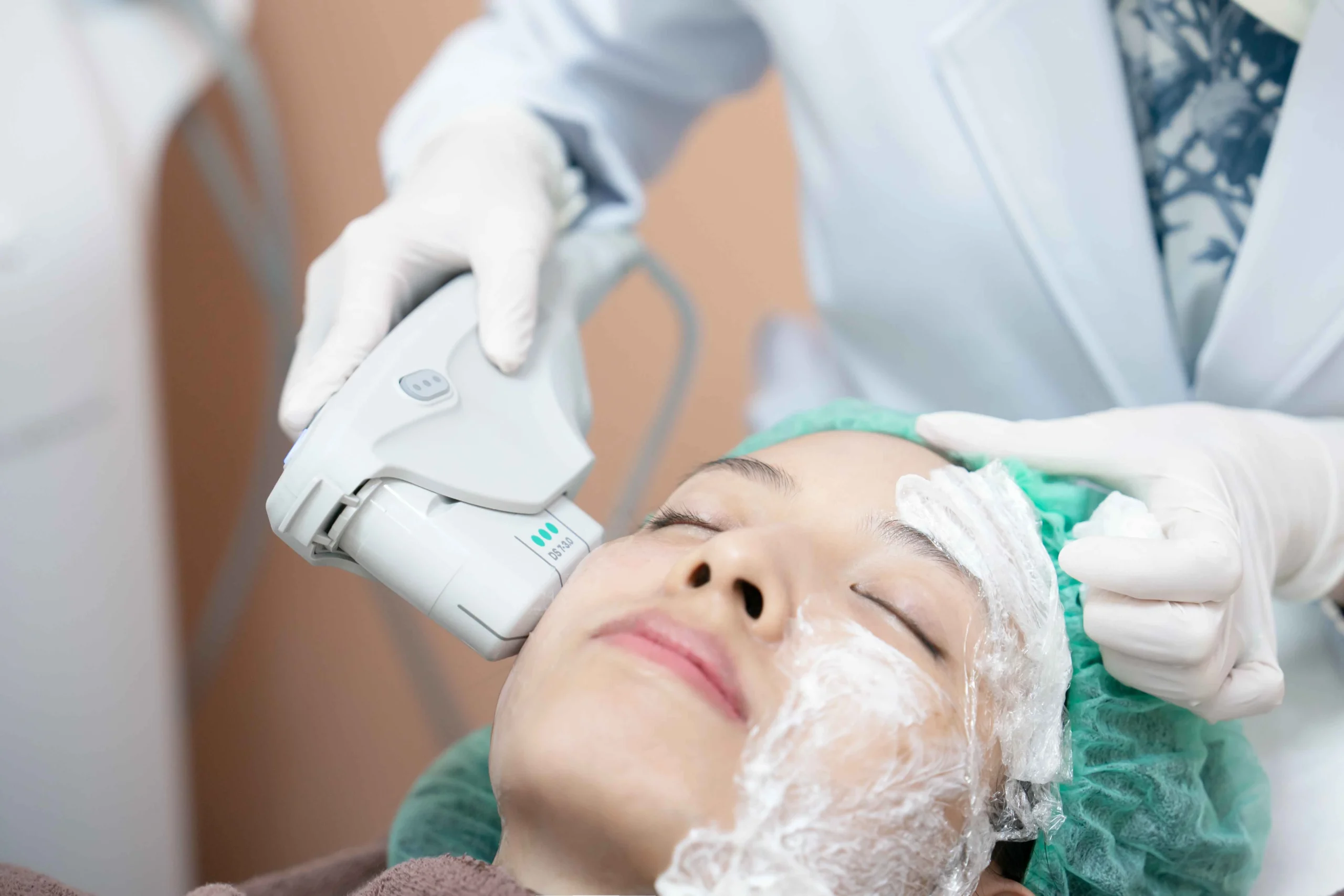
Depending on the individual assessment, a treatment plan may incorporate modalities such as dermal fillers, neuromodulators, collagen-stimulating treatments, regenerative treatments, skin-quality treatments, or energy-based technologies.
Some patients may benefit from treatment of several facial areas over time.
Others may need only one subtle adjustment.
And importantly, not every area identified during an assessment necessarily needs treatment.
A thoughtful aesthetic plan should prioritize the areas that create the greatest improvement while avoiding unnecessary intervention.
Natural Results Are the Goal
Successful facial balancing should not immediately announce:
“She had filler.”
Instead, people may notice that you look refreshed, rested, refined, or simply more harmonious without being able to identify exactly what changed.
Our philosophy is to preserve your identity while enhancing the relationships between your existing features.
The objective is not perfection.
It is not to copy a celebrity’s face.
And it is certainly not to make every patient look the same.
It is to create a more balanced version of your own face.
The Consultation: Where Facial Balancing Begins
A facial balancing consultation begins with assessment – not injection.
We evaluate your face from multiple angles, discuss which features concern you, identify the characteristics you want to preserve, and develop a treatment plan based on your anatomy and aesthetic goals.
Your ideal treatment may involve one appointment or a staged plan completed gradually.
When appropriate, mathematical proportions such as the Golden Ratio may serve as an additional assessment tool, but treatment decisions remain individualized to the person sitting in front of us.
Because ultimately, facial aesthetics is neither purely mathematics nor purely art.
The best results happen when anatomy, science, proportion, and artistry work together.
A Note About BeautiPHIcation™
BeautiPHIcation™ is a facial aesthetic assessment methodology associated with Dr. Arthur Swift and the work of Arthur Swift and Kent Remington. Reference to BeautiPHIcation™ on this website is for educational purposes and does not imply ownership of, sponsorship by, or affiliation with Dr. Arthur Swift or Swift Beauty unless otherwise expressly stated.
Individual treatment recommendations and results vary. A consultation and medical assessment are required to determine appropriate treatment options.