Skip to content

Table of Contents
The frown lines you treated a few years ago used to smooth out within a week. Now a faint crease stays put even after your appointment. Or maybe a friend in her 50s walked out with a completely different plan than yours, and you’re wondering who got it right.
At Clair De Lune Aesthetics, this is a question we hear often from patients looking for wrinkle treatment in Boston, MA. Understanding wrinkle treatment by age starts with one question: is the treatment itself changing, or is something else going on?
Does Botox® Work Differently as You Get Older?
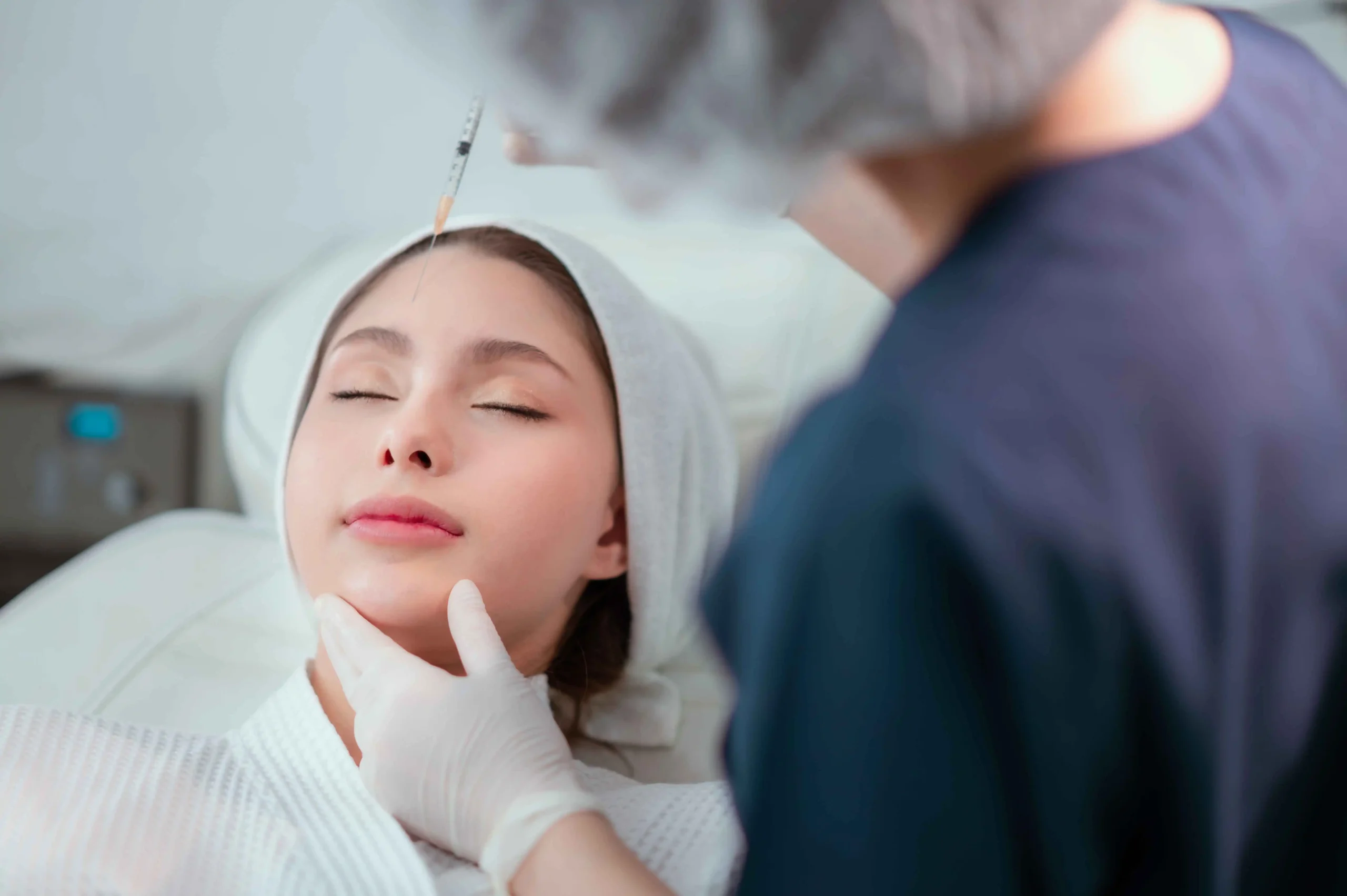
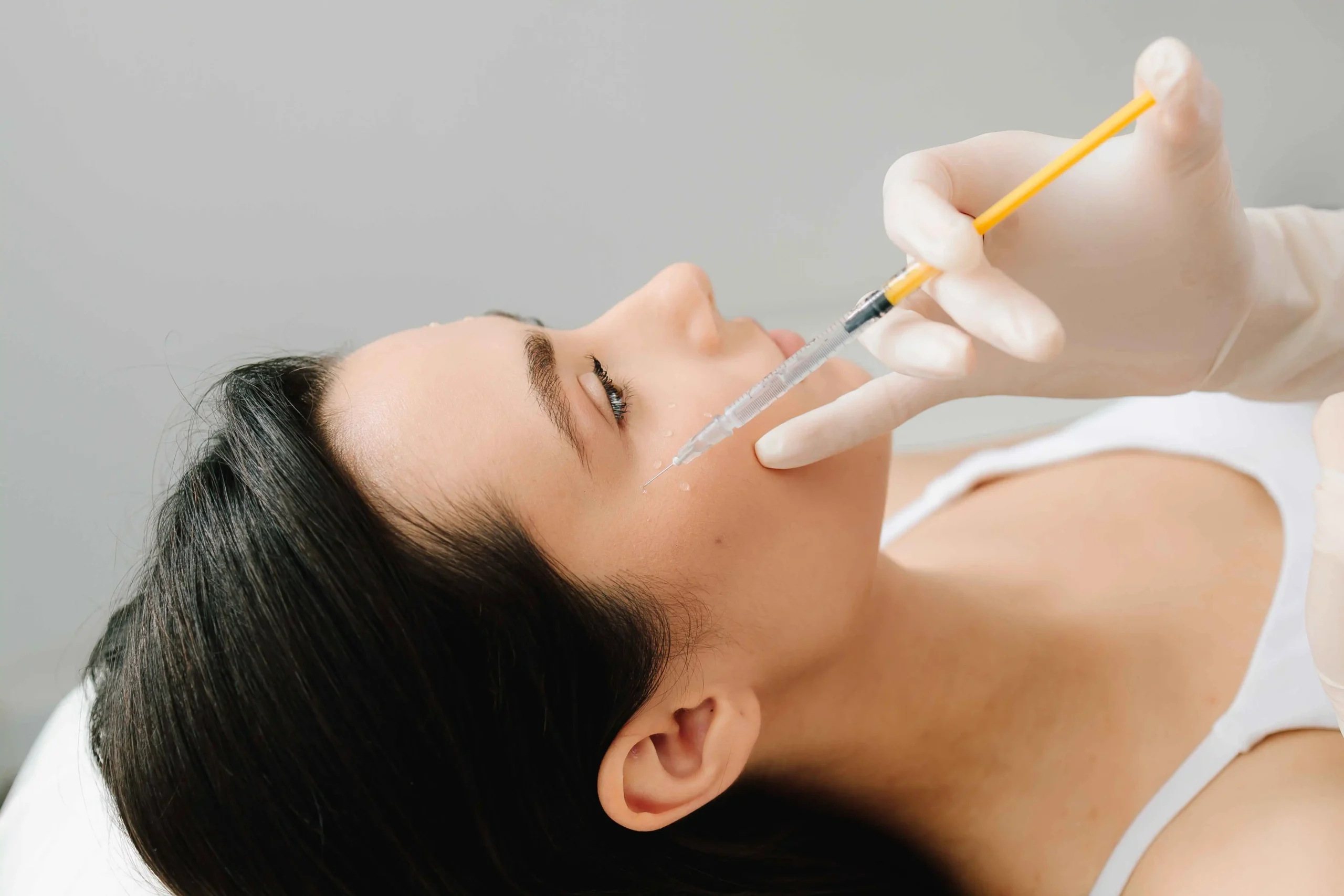
Botox® relaxes the same facial muscles at any age, but the lines those muscles leave behind change over time. In your 30s, most lines appear only with movement. By your 40s and 50s, many lines stay visible at rest, partly because skin makes less collagen. That’s why providers typically adjust dosing, treatment areas, and timing, and results vary from person to person.
What Changes Under the Skin From Your 30s to Your 50s
The shift starts with two types of wrinkles: dynamic rhytides and static rhytides. Dynamic rhytides are expression lines that appear when you frown, squint, or raise your brows, then fade when your face relaxes. Static rhytides stay visible even when your face is still.
Most age-related wrinkles start as the first type and gradually become the second. A few things drive that change:
- Collagen and elastin production slows gradually from early adulthood, so skin doesn’t bounce back from folding as easily.
- Years of repeating the same expressions fold the skin along the same paths until a crease forms.
- Fat pads and bone structure in the midface and brow area change over time, which affects how skin drapes and where lines settle.
Sun exposure adds to the collagen loss, whether it comes from summers on the Cape or squinting into snow glare along Commonwealth Avenue. Neuromodulators address the movement part of this picture, not the rest.
How Wrinkle Treatment Typically Shifts by Decade
Here’s how wrinkle treatments in your 30s, 40s, and 50s usually differ. These are common patterns, not rules, and your provider’s assessment always decides the plan. That’s the real story behind Botox by age: same product, different job.
Your 30s: Softening Early Movement Lines
In your 30s, lines usually show up only when you make an expression. Because skin still rebounds well, providers commonly use conservative dosing focused on softening movement while keeping your expressions natural.
This is where preventive wrinkle treatments come in. Regular, light treatment may help soften how deeply expression lines set over time, though no treatment stops the aging process.
Your 40s: Treating Lines Before They Settle In
Your 40s are often the transition decade. The vertical frown lines between your brows (the 11s) and crow’s feet may start lingering at rest. Your plan may cover more areas, and consistent maintenance timing becomes more important.
Neuromodulators can soften lines that have started to settle, but very fine resting lines may improve gradually or only partially.
Your 50s: Combining Approaches for Set-In Lines
By your 50s, many lines are visible at rest. A neuromodulator usually softens them but may not fully smooth them on its own, so providers often discuss pairing treatments.
Brow position also matters more now. If the skin around your brows has loosened, your provider may treat the forehead more conservatively so your brows don’t feel heavy afterward.
Why Your Product and Treatment Schedule May Change Too
Clair De Lune offers four neuromodulators for Botox in Boston: Botox®, Dysport®, Xeomin®, and Daxxify®. All four relax muscles in a similar way, so the choice usually comes down to timing and how your body responds. Side effects such as bruising, headache, or temporary eyelid drooping are possible, and your provider will review them with you.
As maintenance becomes a bigger part of the plan in your 40s and 50s, some patients prefer Daxxify® because many people find its results last longer, which can mean fewer appointments each year. Botox®, Dysport®, and Xeomin® typically last about three to four months, and results vary.
If long-term results start fading sooner, providers sometimes consider Xeomin®, a formula without accessory proteins, though a changing response can have several causes. You can read more about each option on our page covering what to expect from neuromodulator treatment.
When Relaxing Muscles Isn’t the Whole Answer
Neuromodulators address muscle movement. They don’t restore lost volume, rebuild collagen, or tighten loose skin, which is why patients exploring anti-aging treatments in Boston often end up with a combined plan after 40. Depending on your assessment, your provider may suggest one of these:
- Dermal fillers made from hyaluronic acid can restore volume where lines form from lost support rather than movement.
- Sculptra® is a biostimulator that gradually encourages your body to produce its own collagen over several months.
- RF microneedling pairs tiny, controlled micro-injuries with radiofrequency energy to support collagen remodeling and smoother texture.
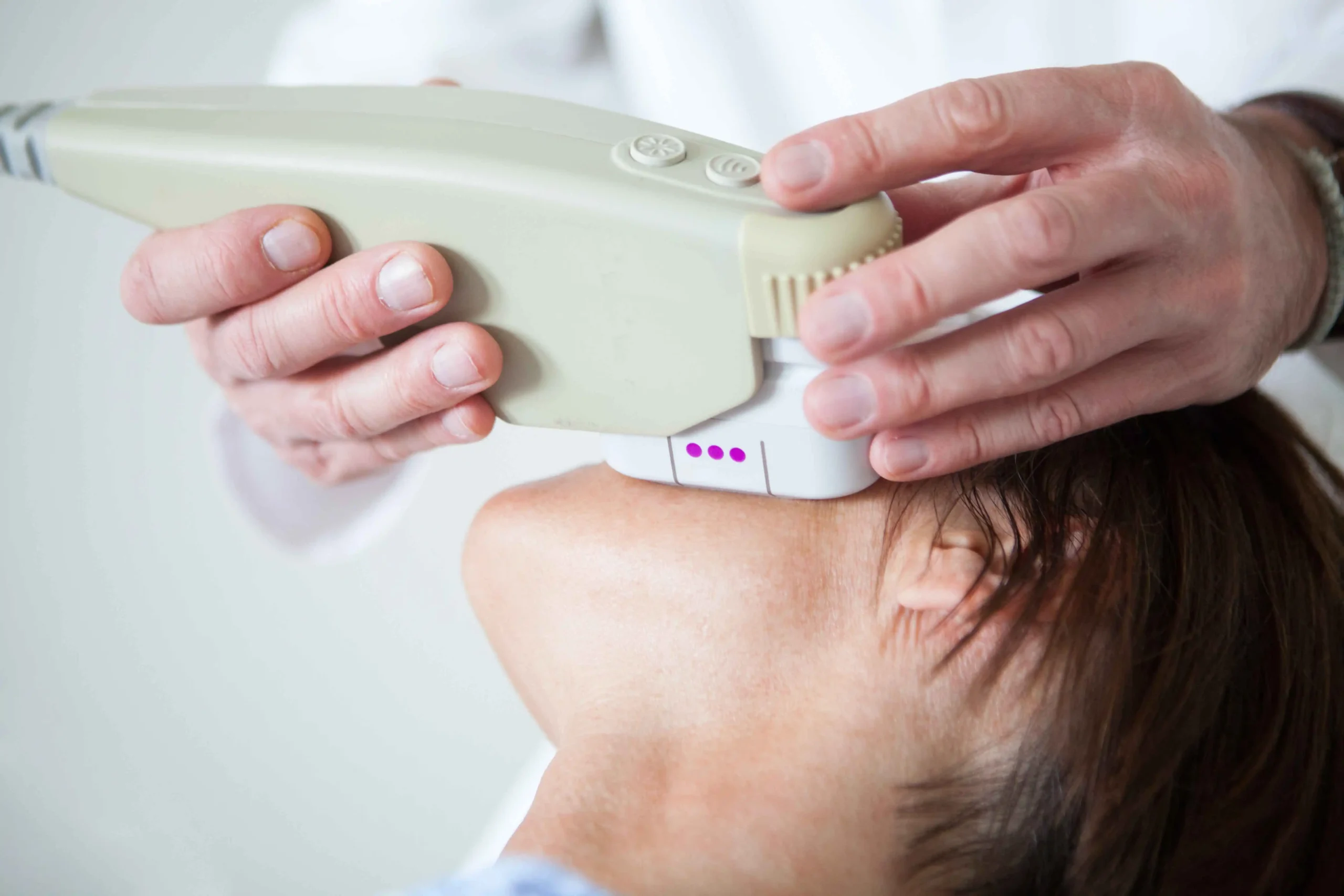
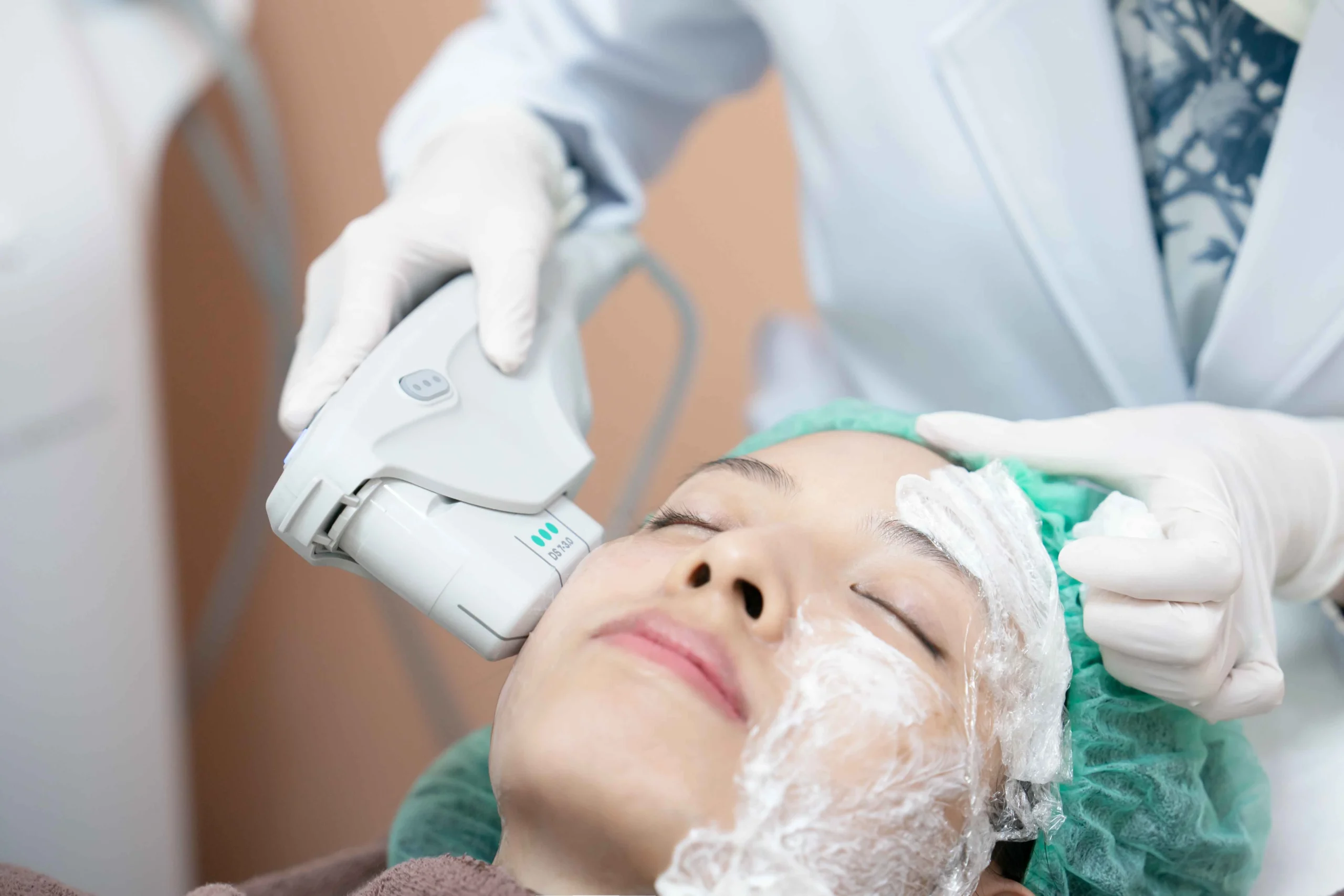
- Ultherapy® uses focused ultrasound energy beneath the skin to help lift the brow, neck, and under-chin area.
A pairing isn’t a package. Your provider will explain why it fits your skin before recommending anything.
Planning Your Wrinkle Treatment by Age in Boston
The medicine doesn’t change much as you get older. Your skin does. A plan that worked at 32 may need different areas, timing, or a partner treatment at 52, and that’s completely normal. Some people should wait before any neuromodulator treatment, including those who are pregnant or breastfeeding or who have certain neuromuscular conditions, and your provider reviews your health history first.
If you’re exploring wrinkle treatment in Boston, MA, our injectors at Clair De Lune Aesthetics on Commonwealth Avenue will look at your lines in motion and at rest, talk through realistic goals, and recommend a plan that fits your face, not your birthday. Wondering which wrinkle treatment fits your age and skin concerns? Schedule a personalized consultation at Clair De Lune Aesthetics in Boston to explore your options.